
169: Lost and Found
New Bach, a ballet heist, and an endangered tree

Name That Tune
This week’s Name That Tune is a Maestro Will special. Here’s your hint: in honor of the US Thanksgiving holiday, this work is by an US American.
As always, your goal is to provide as much accurate analysis as possible. First try to get the nationality, year, and genre, then make educated guesses about the composer and — if possible— the piece. If you know the piece immediately, send us an email at toneprose@substack.com instead of commenting so the rest of us can have fun guessing.
Last Two Weeks’ Results
Tone Prose 168
Farrenc, Clarinet Trio, op. 44
Let’s be honest, nobody was going to get this one, but the people who guessed Reinecke were pretty clever, in my opinion.
Tone Prose 167
R. Schumann, 4 Nachtstücke
Lots of good guesses here (including Ellen’s, which nailed it) but my favorite part about this edition was that it was the rare example of a Tone Prose comments section that featured more discussion of the body of the newsletter than the Name That Tune. This makes me think I should devote more space to parlor games and thought experiments.
Think you can stump your fellow Listeners? Go ahead and try!
Head to our Google Form to submit a YouTube link OR upload your own 30-second clip of an unidentified piece of classical music for us to try to identify.
I’ll Be Bach
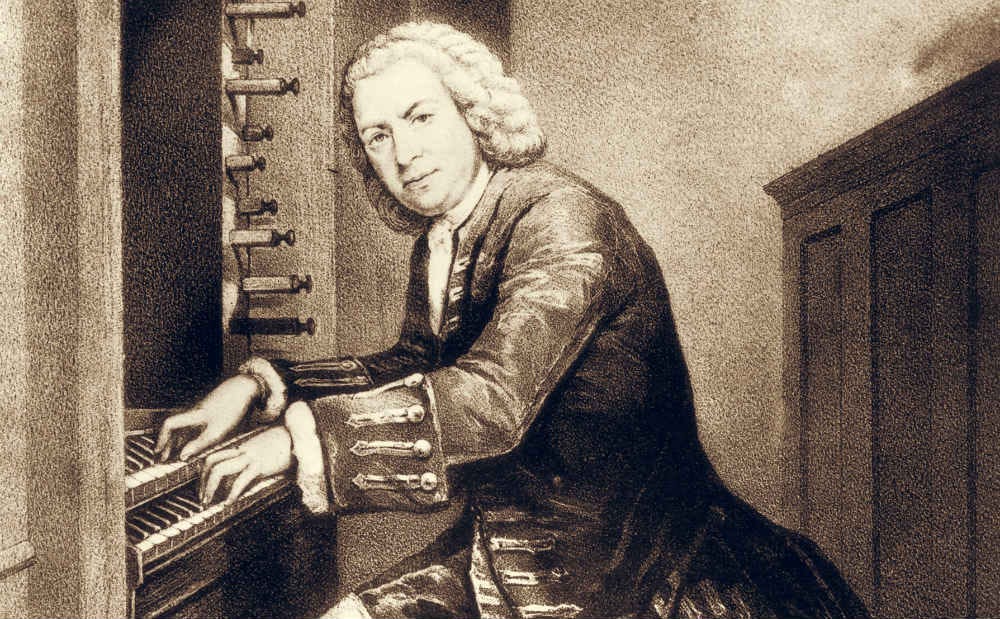
Two organ works suspected to have been composed by a teenaged Johann Sebastian Bach have had their authenticity confirmed, received catalog numbers, and have now been given world (re-)premieres.
They were performed at the St. Thomas Church in Leipzig, where Bach once served as cantor, by Ton Koopman, the eminent Dutch conductor, organist and harpsichordist. Wollny had presented his evidence to the other scholars who oversee the Bach-Werke-Verzeichnis catalog of the composer’s works and persuaded them that these two pieces were by Bach, and merited the official imprimatur of their own BWV numbers.
The two pieces are now known as the Ciacona in D minor, BWV 1178, and the Ciacona in G minor, BWV 1179.
The music is believed to be by a teenage Bach, composed when he worked as a young organist in Arnstadt. The copies date from around 1705, when Bach turned 20.
Huge news for lovers of boring music!
A Christmas Miracle
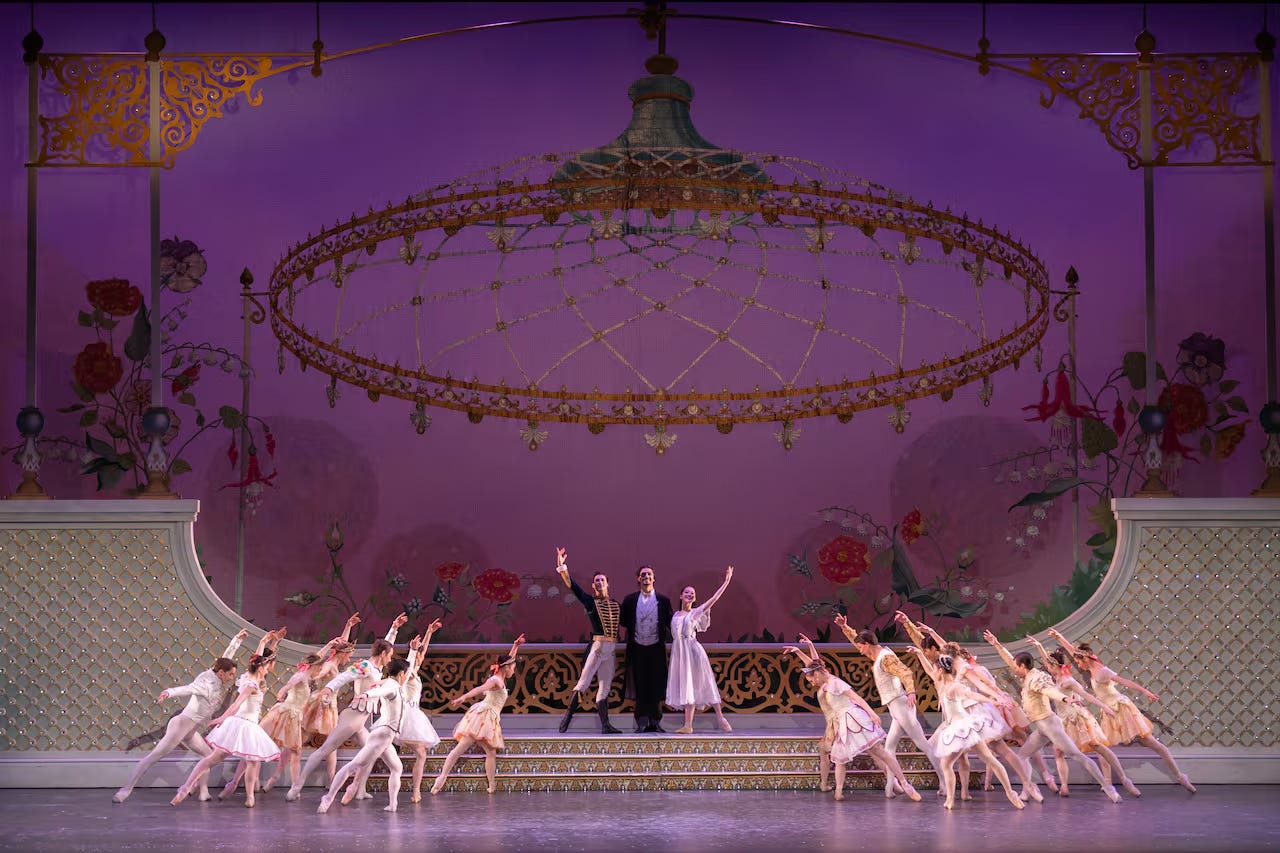
One day after it was allegedly stolen, a moving truck storing “irreplaceable” sets and backdrops for an Ontario-wide tour of The Nutcracker has been recovered, according to the head of the ballet company.
“Someone stole Christmas, and now it’s back on,” Bengt Jörgen, artistic director and CEO for Jörgen Dance, told CBC Radio’s Metro Morning Tuesday.
The company had issued a public plea Monday for anyone who saw the 26-foot truck to report it to police, saying it contained “the heart of our Ontario-wide holiday tour.”
Ballet Jörgen is set to perform the classic holiday ballet throughout late November and December to audiences everywhere from Burlington to Orillia to Ottawa. The ballet company had vowed to go ahead with Tuesday’s scheduled show in Burlington, even if the sets weren’t recovered.
Jörgen said it would have been “a tough slog,” and he’s relieved the show will now be performed “exactly as it should be, with full sets and costumes opening for a full house.”
The company’s general manager Stephen Word said previously security camera footage showed the company’s rental storage truck was stolen around 3:30 a.m. Monday from where it was parked in Etobicoke.
Jörgen said they got a call late Monday night from Peel Regional Police saying officers had found the truck in Brampton, and members of his company started celebrating “like we won the World Cup or something.”
Brazil
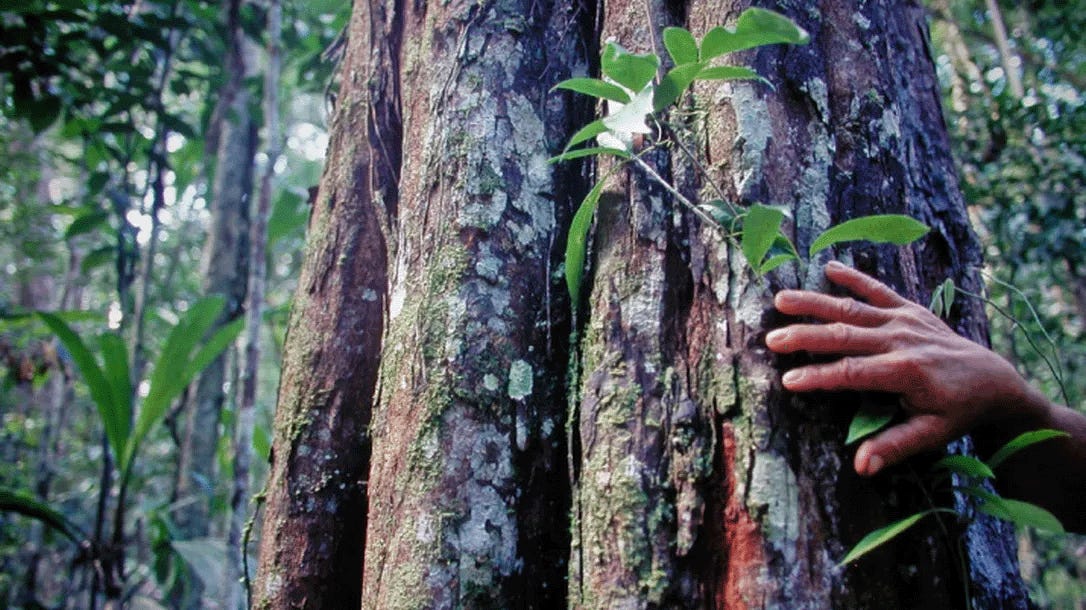
François Xavier Tourte was among the first to make consistent use of a raw material that is still prized today for the best bows: pernambuco, or brazilwood. A modern orchestra is a thicket of brazilwood sticks. And that’s a problem….
The number of wild trees has dropped by four-fifths in less than a century. CITES, an international agreement, has restricted trade in brazilwood products since 2007. But Brazil’s government wants CITES to list the wood among the most endangered species, giving it the highest protection; a CITES meeting in Samarkand that starts on November 24th will decide whether to do so….
The protection upgrade Brazil wants would make life difficult for [instrument makers] and for musicians. Any bow, even one of Tourte’s, would require a certificate to cross borders….
It should be possible to save both brazilwood and bows. Around 3m trees have been planted since the early 1970s, some with the help of bow-makers. Some of these could be harvested after 30-40 years of growth to make bows as the existing stocks of brazilwood run out.
Wild trees need better protection, and governments and musicians can do better at registering existing stocks of brazilwood and keeping track of bows. If that can happen, there is a chance to save a remarkable tree without silencing the music.
Tone Praise
Marin Marais, The Bells of St. Geneviève
I listened to the radio obsessively as a kid in suburban DC, and this recording was a favorite of one particular DJ on WGMS. I looked for the record all over the place, but all I could find were other versions of the piece, all played on early instruments. Those were ok, but this version — orchestrated by some anonymous person in the 1980s — was my heart’s desire. And now, thanks to YouTube, I can listen to it all I want.
Now I just have to find the sheet music.
Tone Prose is a co-production of William White, Joseph Vaz, and the Listeners (i.e. you.)
I have to agree about the boring nature of those organ pieces. To tell the truth, while I am a huge Bach fan, I rarely want to listen to any of his organ music. I find much of it, including the mature pieces, to be a bit of a snore.
NTT: That is a really difficult one, as I thought that my strategy should be to just put some turn-of-the-century US Americans in my basket that could conceivably have written like that, and then realized that's really hard to think of. In fact, I can basically only think of Edward MacDowell, and though I don't think these are particularly close, I'll also put in Charles Griffes (did he even write orchestral music?) and Samuel Barber (there's no way).